

Article by :
Claude Pellerin
Although the use of artificial intelligence is booming in the business world, it is not a cure-all. Executives and entrepreneurs must remain vigilant when using AI tools to draft legal documents and contractual agreements, such as letters of offer or intent.
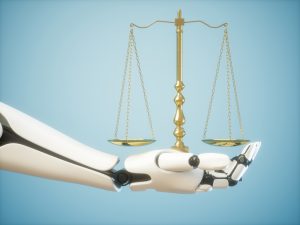
Contract drafting is not limited to assembling clauses: it requires strategic thinking, a keen understanding of commercial issues, and a mastery of the law. A well-drafted agreement must anticipate risks, accurately reflect the parties’ intentions, and be legally valid. Despite its power, AI does not have the legal expertise of a professional or the sensitivity needed to identify the specific business objectives of each situation.
The risks associated with the unregulated use of these tools include a lack of precision and adaptation to context, inadequate legal expertise, confidentiality issues, and a lack of emotional and relational intelligence.
In short, AI can be an excellent assistance tool, but it cannot replace the professional judgment and strategic analysis of a lawyer or notary.
Because every word in a contract can have significant legal and financial consequences, it is best to team up with an accountable legal professional who will not compromise on rigor or legal certainty.